
Tires are one of the most important components of any vehicle, yet they are often overlooked until a problem arises. Proper maintenance can significantly extend their lifespan, improve fuel efficiency, and enhance driving safety. Because tires are the only part of your vehicle that makes direct contact with the road, their condition directly affects braking ability, steering control, and overall performance.
Many drivers assume that tires simply wear out over time and must be replaced regularly. While some wear is inevitable, proper care can dramatically slow the process. Regular inspections, good driving habits, and routine maintenance help prevent premature deterioration and reduce the risk of unexpected failures.
This guide explains how to keep your vehicle running smoothly by taking better care of the components that keep it connected to the road. By following practical maintenance strategies and understanding the warning signs of trouble, drivers can avoid costly replacements and enjoy safer, more reliable travel.
Understand What Causes Premature Wear
The lifespan of tires depends on several factors, including how you drive, the conditions you drive in, and how well your vehicle is maintained. Even high-quality tires can wear out quickly if they are subjected to poor road conditions or improper vehicle care.
Driving behavior is one of the biggest contributors to premature wear. Aggressive acceleration, frequent hard braking, and sharp cornering all place excessive stress on the tread. These habits cause uneven wear patterns and reduce overall durability.
Environmental factors also play a role. High temperatures can soften rubber and accelerate deterioration, while extremely cold conditions can make the material more rigid and prone to cracking. Long-term exposure to sunlight can also degrade rubber compounds over time.
Drivers should also watch out for road hazards such as potholes, broken pavement, and debris. Striking these obstacles can damage sidewalls, distort the internal structure, or create small punctures that slowly lead to air loss.
To reduce unnecessary wear, drivers can adopt several simple habits:
- Accelerate gradually instead of pressing the gas pedal aggressively
- Maintain a safe following distance to avoid sudden braking
- Slow down when approaching rough or uneven roads
- Avoid curbs and road debris whenever possible
Another key factor is maintaining the correct tire type for your vehicle and driving conditions. Using tires designed for the proper climate and terrain helps ensure better performance and durability.
Routine inspections also help drivers catch problems early. Check for visible cracks, bulges, or irregular tread patterns every few weeks. Early detection allows small issues to be corrected before they turn into major problems.
Check Tire Pressure Regularly to Prevent Damage
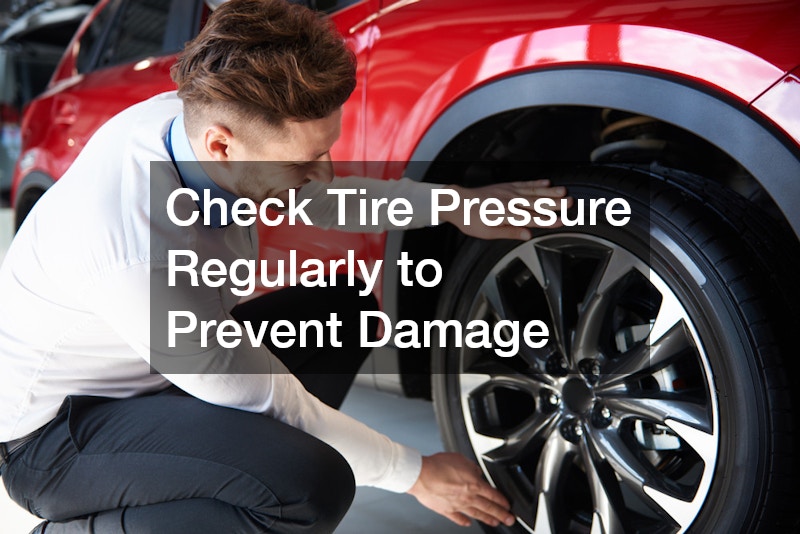
Maintaining proper tire pressure is one of the simplest and most effective ways to extend tire life. Underinflated or overinflated tires can lead to uneven wear, reduced fuel efficiency, and decreased safety on the road.
When tire pressure is too low, the sides of the tire flex more than they should. This generates excess heat and causes the outer edges of the tread to wear faster. Over time, this weakens the structure and increases the risk of blowouts.
Overinflation creates the opposite problem. When pressure is too high, the center portion of the tread bears most of the vehicle’s weight. This leads to faster wear in the middle of the tire and reduces traction on the road.
Maintaining proper pressure offers several benefits:
- Improved fuel economy
- More even tread wear
- Better handling and steering response
- Reduced risk of sudden tire failure
Checking pressure is a quick process that only takes a few minutes. Use a reliable tire pressure gauge and measure when the tires are cold, ideally before driving or after the vehicle has been parked for several hours.
Most vehicles have a recommended pressure level listed in the owner’s manual or on a label inside the driver’s door frame. Following these guidelines ensures optimal performance.
Helpful pressure maintenance habits include:
- Checking tire pressure once a month
- Inspecting pressure before long road trips
- Monitoring changes during seasonal temperature shifts
- Rechecking pressure after large temperature drops
By making tire pressure checks part of a routine vehicle maintenance schedule, drivers can dramatically extend the life of their tires and improve overall vehicle efficiency.
Rotate Tires on a Consistent Schedule
Tire rotation is another essential maintenance step that many drivers overlook. Each wheel position on a vehicle experiences different levels of stress depending on weight distribution, steering forces, and braking patterns.
Front tires, for example, often wear faster because they handle most of the steering and braking forces. Rear tires may experience less stress but can still develop uneven wear over time.
Rotating tires periodically helps distribute wear more evenly across all four tires. This not only extends the lifespan of each tire but also improves traction and driving stability.
Most manufacturers recommend rotating tires every 5,000 to 7,500 miles. However, the exact interval may vary depending on the type of vehicle and driving conditions.
Drivers who prefer professional service can visit auto repair shops for routine rotation appointments. These facilities typically inspect tread wear, check pressure levels, and verify that tires are properly balanced.
Common rotation patterns include:
- Front-to-rear rotation for directional tires
- Cross rotation for standard tires
- Specialized patterns for vehicles with staggered wheel sizes
In addition to extending tire life, rotation helps technicians detect potential issues such as suspension problems or uneven wear patterns that could indicate alignment concerns.
Keeping a consistent rotation schedule ensures that tires perform more evenly and remain safe throughout their lifespan.
Watch for Warning Signs of Wheel Alignment Problems
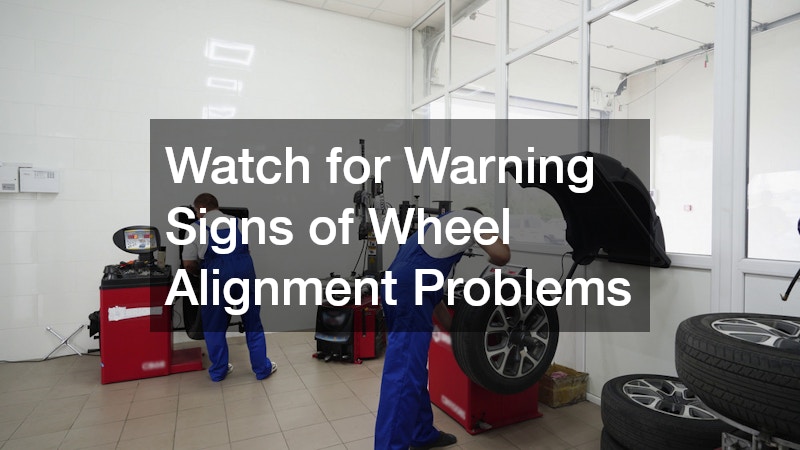
Wheel alignment is crucial for maintaining proper tire wear and vehicle handling. When the wheels are not aligned correctly, tires can begin wearing unevenly and may deteriorate much faster than expected.
Alignment problems often develop gradually due to normal driving conditions. Hitting potholes, striking curbs, or driving on rough roads can all shift suspension components slightly out of position.
Common signs that a vehicle may need car alignment include:
- The car pulling to one side while driving
- The steering wheel sitting off-center
- Uneven tread wear on one side of the tire
- Vibrations or unusual steering feedback
Ignoring these symptoms can lead to significant tire damage. Misalignment causes certain portions of the tread to bear more weight than others, accelerating wear and reducing traction.
Regular alignment checks help prevent these problems and ensure the vehicle tracks straight on the road. Many technicians recommend checking alignment annually or whenever new tires are installed.
Drivers should also schedule an alignment check if they experience any sudden changes in handling or steering performance. Addressing these issues early helps prevent expensive tire replacements.
Keep Tires Clean to Prevent Rubber Degradation
Dirt, road salt, and chemicals can gradually degrade rubber surfaces and reduce tire lifespan. Keeping tires clean is a simple but often overlooked maintenance step that helps preserve their condition.
Road grime and oils can accumulate on the surface and break down rubber compounds over time. In colder climates, road salt used during winter months can accelerate corrosion and damage surrounding components.
Routine washing removes these contaminants and helps maintain the integrity of the tire material.
Many vehicle owners choose to work with an auto detailer who specializes in professional cleaning and protective treatments. These professionals often apply specialized products designed to protect rubber from environmental damage.
Drivers who prefer to handle cleaning themselves can follow a few basic steps:
- Rinse tires with water to remove loose dirt
- Use a tire-safe cleaning solution and a soft brush
- Scrub the tread grooves to remove embedded debris
- Rinse thoroughly to eliminate residue
Applying protective tire dressing occasionally can also help maintain flexibility and prevent cracking.
Keeping tires clean not only improves their appearance but also extends their functional lifespan.
Address Tire Damage Early Through Routine Inspections
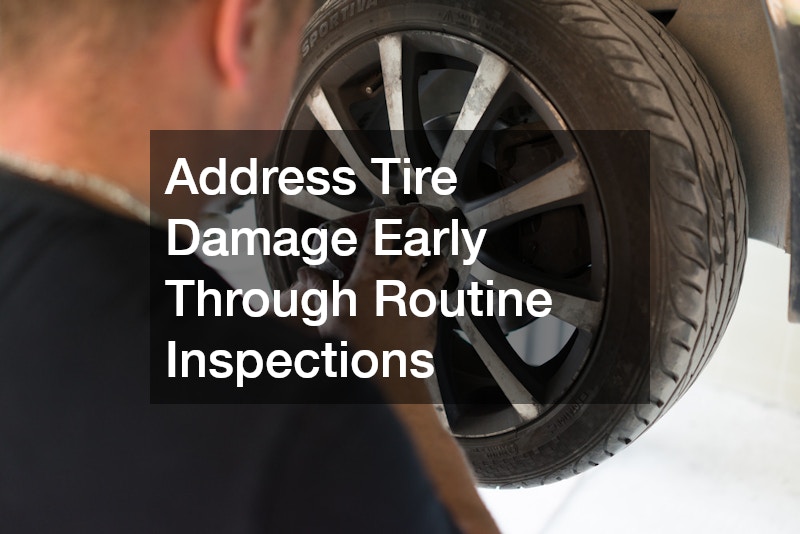
Regular inspections allow drivers to catch small problems before they develop into serious safety hazards. Even minor damage can quickly worsen if left unattended.
Drivers should look for several warning signs during inspections:
- Cracks along the sidewall
- Bulges or bubbles indicating internal damage
- Objects embedded in the tread
- Slow air leaks or repeated pressure loss
When these issues appear, it is important to seek professional help. Technicians who specialize in auto repair can evaluate the damage and determine whether a repair or replacement is necessary.
Ignoring small problems can lead to more serious failures, including blowouts or loss of vehicle control. Early intervention often prevents larger mechanical issues and keeps vehicles operating safely.
Routine car repair inspections can also reveal tire-related problems during regular service appointments. Technicians may identify alignment issues, suspension wear, or structural damage affecting tire performance.
Addressing these concerns early helps drivers avoid costly breakdowns and maintain reliable vehicle operation.
Inspect Wheels and Body Components After Impacts
Even minor impacts can affect more than just the tire itself. Collisions with curbs, potholes, or road debris can damage surrounding components and lead to long-term performance issues.
Wheel assemblies are particularly vulnerable during sudden impacts. A bent rim or damaged suspension component can cause vibrations, uneven wear, or alignment problems.
If a vehicle experiences a significant impact, it may require auto body repair to restore proper structural alignment. Technicians performing these services often inspect wheel assemblies and related components to ensure everything is functioning correctly.
Drivers should consider professional evaluation if they notice:
- Vibrations after hitting a pothole
- Visible damage to wheels or surrounding panels
- Sudden changes in steering behavior
Shops that provide auto body service can identify hidden damage that might otherwise go unnoticed. These inspections help ensure that tires and wheels remain properly supported and aligned.
Taking action quickly after impacts helps prevent small structural issues from escalating into larger mechanical problems.
Maintain Tires on Specialty Vehicles
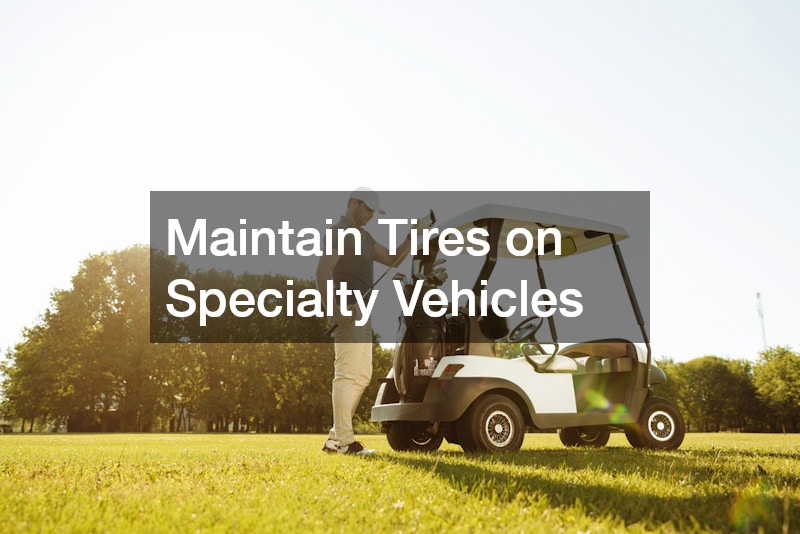
Specialty vehicles such as golf carts often operate in different environments than traditional passenger cars. These vehicles may travel across grass, gravel, or uneven terrain, which creates unique wear patterns.
Golf cart tires require regular inspections just like standard vehicle tires. Because these vehicles often sit unused for long periods, the tires may lose pressure or develop cracks due to environmental exposure.
Drivers and owners should inspect golf cart tires regularly for signs of wear, punctures, or dry rot. Maintaining proper inflation levels helps prevent sidewall damage and ensures smooth operation.
Maintenance tips for specialty vehicles include:
- Checking tire pressure before each season of use
- Inspecting tread for uneven wear or damage
- Cleaning tires after driving through mud or debris
- Storing vehicles in covered areas when possible
Replacing worn tires promptly ensures better traction and stability, especially when operating on slopes or uneven terrain.
By giving specialty vehicle tires the same level of attention as standard car tires, owners can extend their lifespan and maintain safer operation.
Work With Trusted Professionals for Regular Maintenance
Professional service providers play an important role in maintaining tire health. Skilled technicians can identify early warning signs of mechanical issues and perform preventive maintenance that extends tire lifespan.
Many drivers rely on experienced technicians at auto shops to handle routine inspections and maintenance tasks. These facilities often provide comprehensive services such as balancing, alignment checks, and tire rotations.
Regular visits to auto repair shops allow technicians to monitor tire condition and identify issues that may not be visible during casual inspections.
Professional maintenance services may include:
- Tire balancing to prevent vibrations
- Alignment checks to maintain even wear
- Pressure monitoring and adjustments
- Inspection of suspension and steering components
Working with knowledgeable technicians ensures that tires remain in optimal condition throughout their lifespan.
Drivers who establish a relationship with a trusted service provider often receive better long-term care for their vehicles and greater peace of mind on the road.
Build a Simple Routine That Protects Your Investment
Establishing a consistent maintenance routine is the most effective way to extend tire lifespan and improve vehicle safety. Small, regular actions can prevent major problems and reduce long-term expenses.
Drivers who perform regular inspections and address issues quickly are far less likely to experience sudden tire failures or costly replacements.
A simple maintenance routine may include:
- Monthly pressure checks
- Visual inspections for damage or debris
- Regular cleaning to remove contaminants
- Scheduled professional inspections
Combining these habits with responsible driving behavior helps ensure that tires perform reliably for many years.