
Motorists driving along the Wasatch Front frequently encounter unpredictable driving conditions. Whether navigating winter snowstorms on Interstate 15 or dealing with heavy construction delays near Davis County, traffic incidents can happen in the blink of an eye. When an unexpected collision occurs, the immediate aftermath can feel completely overwhelming. The very first priority for any driver involved in an incident is to secure the scene and evaluate the physical condition of all occupants. The shock of an impact triggers a massive rush of adrenaline, which frequently obscures physical trauma in the moments immediately following a crash. Because of this delayed response, checking everyone thoroughly for hidden or obvious car accident injuries must happen right away. Even minor aches or stiffness can turn into chronic issues if ignored, making a prompt evaluation by medical professionals an essential step in the documentation process. Local emergency clinics routinely evaluate individuals who initially felt fine but developed severe soreness hours later.
Once safety is established and emergency services are notified, attention must turn to managing the damaged vehicles. If the automobiles are causing a hazard or block the flow of traffic, moving them to a nearby shoulder or exit is advisable, provided they are safe to operate. However, when vehicles suffer severe structural damage, steering mechanisms freeze, or fluids leak onto the highway, trying to drive them further can cause extensive mechanical issues or create secondary hazards for other motorists. In these situations, the assistance of a professional tow truck becomes necessary to clear the roadway and transport the disabled vehicle to a safe holding facility or a designated diagnostic shop. While waiting for assistance to arrive, individuals should exchange essential information with the other motorists involved, taking care to photograph the positions of the vehicles, license plates, visible damage, and overall road conditions.
Navigating the Legal Complexities of a Collision
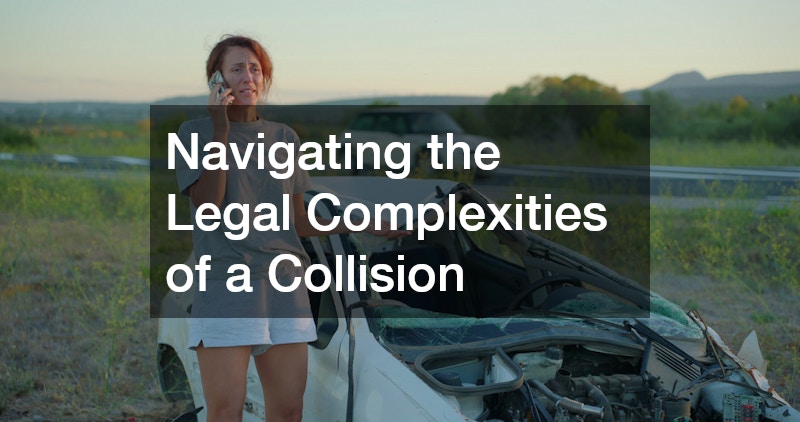
Beyond the immediate logistical hurdles on the roadside, a traffic incident introduces a dense web of legal and liability questions. Utah operates under a specific no-fault insurance framework, which means that an individual’s personal injury protection coverage handles initial medical expenses up to a designated statutory limit. However, when crashes involve significant damage, prolonged medical rehabilitation, or disputed liability, navigating the legal system independently can become incredibly difficult. A driver may find that the other party disputes the facts of the incident or that police reports do not fully capture the nuances of the crash. Securing the guidance of a knowledgeable car accident lawyer helps ensure that the victim’s legal rights remain fully protected throughout the entire investigative process. The extensive paperwork and rigid legal deadlines can become highly stressful for anyone trying to focus purely on physical recovery.
Legal professionals understand how to systematically gather critical evidence that might otherwise disappear over time. This process includes securing nearby traffic camera footage, interviewing eyewitnesses, analyzing black box data from the involved vehicles, and working alongside accident reconstruction experts if necessary. By handling all communication with investigators and defense representatives, a legal advocate prevents the injured party from making statements that could inadvertently harm their claim. Furthermore, a dedicated legal representative works to recover comprehensive damages that extend far beyond initial vehicle fixes. This includes calculating long-term losses such as future medical treatments, lost earning capacity, specialized rehabilitation programs, and the profound emotional toll that a severe crash can take on an individual and their family members.
Understanding the Insurance Claims Process
Dealing with the financial ramifications of an automobile crash requires a structured approach to insurance policies and adjusters. Motorists must notify their insurance provider as soon as practical following an incident to initiate the formal review process. While it might seem that the process should be straightforward, interacting with an auto insurance company requires a high degree of caution and precision. Insurance adjusters are trained professionals whose primary objective is to settle claims efficiently while managing the financial exposure of their respective corporations. Consequently, providing vague statements or guessing about specific variables like vehicle speeds, exact distances, or mechanical conditions can lead to minimized settlements or outright denials of coverage. It is vital to maintain meticulous records of all correspondence, including emails and written estimates, to prevent any administrative misunderstandings.
During the evaluation phase, the provider will assess whether a vehicle can be safely restored or if the cost of repairs exceeds a specific percentage of the automobile’s actual cash value. If the repair costs are too high, the vehicle will be declared a total loss, and the insurer will offer a payout based on market value calculations. For vehicles that are deemed repairable, understanding policy terms regarding deductibles, rental car allowances, and parts utilization is essential. Policyholders have specific rights regarding where their vehicle is repaired, and understanding these boundaries ensures that the insurer covers the necessary expenses without cutting corners on material quality or vehicle safety systems. Understanding these policy details prevents unexpected out-of-pocket expenses and ensures that the financial recovery matches the physical needs of the vehicle. Independent repair selections allow owners to maintain control over the quality of components used during the rebuild.
Ensuring Structural Integrity Through Professional Repairs
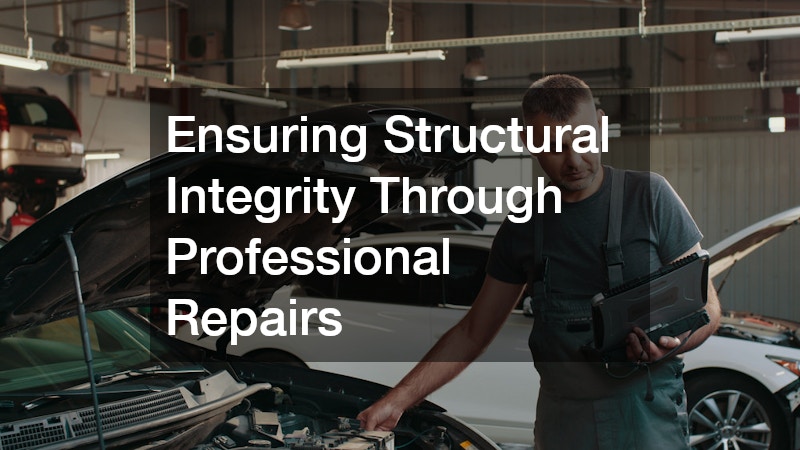
When a vehicle is cleared for mechanical restoration, selecting the right facility is paramount for long-term safety and performance. Modern automobiles are highly complex machines engineered with advanced high-strength steels, precise crumple zones, and interconnected electronic safety webs. If a vehicle suffers a significant impact, the underlying frame or unibody structure can be compromised even if the exterior body panels appear relatively intact. Entrusting the vehicle to a facility capable of performing certified auto collision repairs guarantees that the vehicle will be restored according to precise factory specifications. Proper frame alignment and structural welding are non-negotiable requirements to ensure that the car will perform exactly as designed if it is ever involved in a subsequent crash. Computerized measuring systems can detect tiny frame deviances, ensuring that the structural foundation is completely accurate before any aesthetic work begins.
In addition to structural straightening, skilled technicians must meticulously inspect and recalibrate the vehicle’s intricate electronic infrastructure. Modern driver assistance systems rely heavily on cameras, radar sensors, and ultrasonic modules mounted within the bumpers, fenders, and side mirrors. If these components are reinstalled slightly out of alignment during the cosmetic rebuilding process, features like automatic emergency braking, lane-keeping assistance, and blind-spot monitoring can malfunction. A thorough repair process involves comprehensive diagnostic scanning before and after the physical work is completed, ensuring that every safety system communicates flawlessly with the vehicle’s central computer system. Advanced mechanical diagnostics offer ultimate proof that a vehicle satisfies original manufacturer safety protocols before returning to the road. Complete structural integrity means a car remains a reliable shield for passengers during their daily commutes.
Restoring Visibility and Structural Glass Elements
A critical yet frequently overlooked aspect of post-accident restoration involves the vehicle’s glass components. The windshield is far more than a simple shield against wind and debris; it serves as a core structural element of the modern automotive cabin. In the event of a rollover accident, the structural integrity of the windshield provides essential support to prevent the roof from collapsing. Furthermore, windshields are designed to act as a backstop for passenger-side airbags, ensuring they deploy at the correct angle to protect occupants. When a collision causes cracking, pitting, or shattering, organizing a professional auto glass replacement is vital to restoring the original safety margins of the vehicle cabin. Modern safety glass is highly engineered, consisting of multiple layers laminated together to prevent large, sharp shards from penetrating the passenger compartment during a high-speed collision on the highway.
The process of replacing structural glass has become increasingly sophisticated due to the integration of advanced driver assistance technology. Many modern vehicles feature front-facing cameras mounted directly behind the upper portion of the rearview mirror. When a new windshield is installed, even a microscopic variance in the glass thickness or positioning can distort the camera’s field of view, leading to dangerous errors in lane tracking and adaptive cruise control systems. Professional technicians utilize specialized static or dynamic calibration tools to ensure the onboard cameras sync perfectly with the new glass substrate, providing crystal-clear visibility and flawless safety operation. Any minor oversight in glass quality can result in distorted visibility or impaired sensor readings, showing why professional precision is absolutely non-negotiable. Any microscopic misalignment can completely disrupt automatic safety responses, highlighting the critical nature of expert technological service.
Exploring Vehicle Replacement Strategies in Davis County
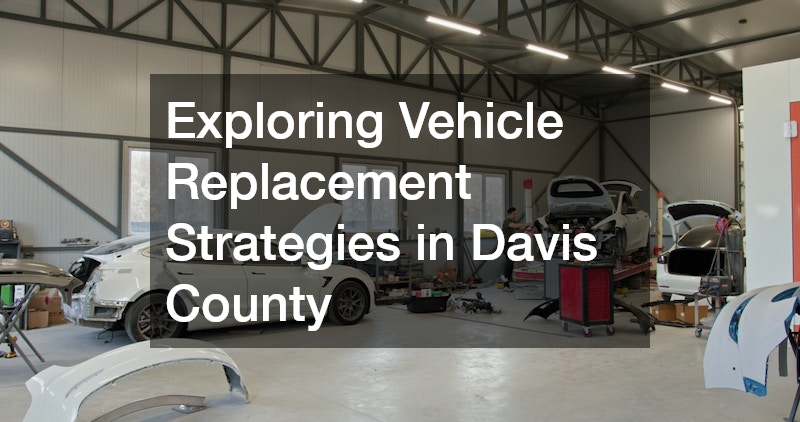
There are instances where a collision leaves a vehicle completely beyond repair, or the owner simply decides that driving a heavily repaired vehicle no longer fits their peace of mind. When an insurance settlement provides the capital for a replacement, finding a reliable automotive partner becomes the next step in the recovery journey. Motorists looking for exceptional safety ratings, rugged durability, and modern engineering along the Wasatch Front often explore local inventory options. Visiting an established GMC dealership in Layton UT allows individuals to evaluate a wide range of new and certified pre-owned trucks and SUVs designed to handle the demanding geography of Northern Utah. Stepping into a modern showroom provides a reassuring atmosphere where motorists can explore vehicle specifications that specifically match their daily travel routines.
Selecting a replacement vehicle involves careful consideration of local environmental factors and commuting demands. Drivers who frequently traverse steep canyon passes, commute to Hill Air Force Base, or enjoy weekend excursions to nearby mountain destinations often prioritize advanced four-wheel-drive systems and heavy-duty trailering capabilities. Evaluating options at a local dealership also provides buyers with access to transparent financing solutions, extended manufacturer warranties, and advanced safety suites that include comprehensive airbag systems, collision alerts, and robust chassis designs. Making an informed purchase ensures that the transition from a damaged vehicle to a reliable replacement is seamless and secure. Finding a spacious, versatile truck or sport utility vehicle gives motorists the necessary confidence to face severe weather across the Wasatch Front.
Exterior Preservation and Long-Term Surface Defense
Whether a motorist is driving a newly repaired automobile or a fresh vehicle replacement, protecting the exterior surfaces from the harsh Northern Utah climate is essential for maintaining aesthetic appeal and resale value. The local environment presents a unique set of challenges for automotive paint finishes, ranging from intense high-altitude solar radiation to industrial fallout and aggressive road debris. To mitigate these hazards, many vehicle owners opt for an advanced car ceramic coating service to add a durable layer of protection. This liquid polymer chemically bonds with the vehicle’s factory paint, creating a highly hydrophobic surface that repels water, mud, and environmental contaminants while significantly streamlining the routine washing process. This advanced protective technology provides an incredibly hard microscopic shield that prevents micro-marring and swirl marks from forming during regular maintenance, keeping the vehicle looking pristine for years.
While the visible bodywork requires defense from above, the vehicle’s undercarriage faces an entirely different set of environmental threats from below. During the winter months, local transit authorities distribute massive amounts of road salt and highly corrosive magnesium chloride mixtures to keep thoroughfares clear of ice. This chemical slush kicks up into the wheel wells and underbody components, accelerating the formation of rust and structural oxidation on frame rails, suspension components, and brake lines. Applying a specialized roads protective coating provides a resilient, impermeable barrier that seals out moisture and corrosive agents, preventing costly long-term structural decay and preserving the underlying mechanical integrity of the vehicle. This robust lower layer safeguards the structural underpinnings of the automobile, ensuring that hidden rust does not compromise the vehicle’s overall longevity.
Internal Comfort and Final Protection Measures
The final phase of recovering a premium driving experience focuses on maximizing cabin comfort, interior longevity, and occupant privacy. The intense sunlight characteristic of high-elevation regions can quickly damage a vehicle’s interior, causing leather upholstery to dry out and crack while fading dashboard plastics over time. Securing a professional car window tinting service serves as an effective countermeasure against this constant solar degradation. Modern window films are engineered to block a high percentage of harmful ultraviolet and infrared rays, keeping the internal cabin temperature significantly cooler during hot summer months and reducing eye strain caused by blinding winter snow glare. This thermal defense means the vehicle’s air conditioning system operates more efficiently, reducing fuel consumption and enhancing overall cabin comfort during peak summer heat waves.
Beyond thermal regulation and interior preservation, high-quality window films provide an added layer of safety and security for the vehicle’s occupants. In the unfortunate event of a secondary collision or a side-impact incident, the adhesive backing of the tinting film helps hold shattered glass fragments together, reducing the risk of flying shards causing additional harm to passengers. This completion of exterior surface preservation, structural glass restoration, and interior cabin enhancement marks the final step in the comprehensive journey from roadside distress back to complete vehicle recovery and driving confidence. Professional automotive treatments combined with careful structural restoration allow vehicle owners to fully transition back to a normal driving routine. Ultimately, a comprehensive recovery plan ensures that every detail of the automobile is completely renewed, restoring absolute driving satisfaction and peace of mind.