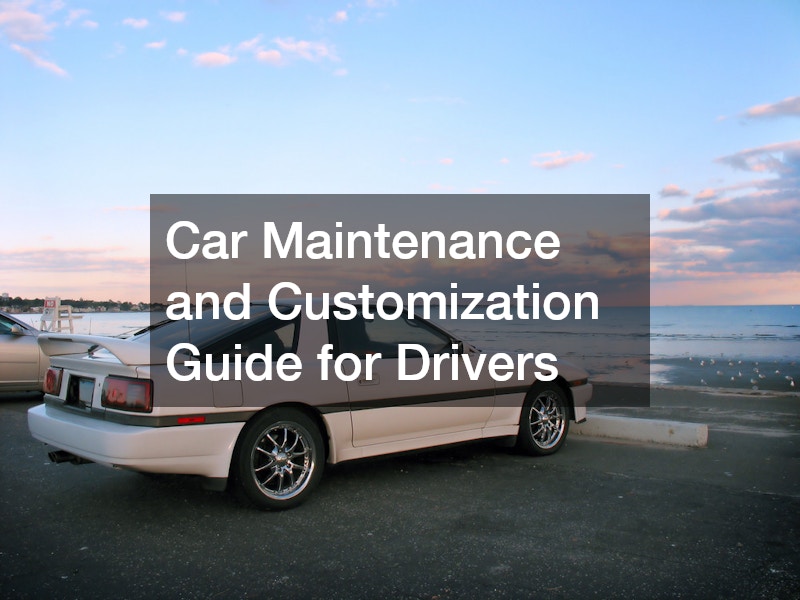

Why Smart Vehicle Care Pays Off
Owning a vehicle is a major investment, and how you care for it affects how long it lasts, its performance, and how enjoyable it is to drive. Regular maintenance helps prevent unexpected repairs, while thoughtful customization allows you to make your vehicle better suited to your preferences and lifestyle.
For many drivers, maintenance and customization are treated as two separate things. In reality, they work best together. A vehicle that looks great but has neglected mechanical issues will not deliver long-term satisfaction. Likewise, a car that runs well but feels uncomfortable, outdated, or visually worn may not provide the driving experience you want.
The key is to build a balanced plan. Focus first on keeping your vehicle safe and reliable, then look for upgrades that improve comfort, appearance, performance, and convenience. Whether you drive daily, take long road trips, or simply want your vehicle to reflect your style, the right approach can help you get more value from every mile.
Build a Reliable Routine to Prevent Costly Repairs
A dependable maintenance routine is the foundation of long-term vehicle ownership. Many major repair bills can be avoided by catching small problems early, which is why scheduling regular inspections with a trusted car mechanic is so important. A professional can spot worn belts, fluid leaks, brake issues, battery problems, tire wear, and engine concerns before they become expensive emergencies.
Start by following your manufacturer’s recommended maintenance schedule. This usually includes oil changes, tire rotations, brake inspections, fluid checks, filter replacements, and battery testing. Even if your car seems to be running fine, routine maintenance gives you a clearer picture of its overall condition. Waiting until something sounds, smells, or feels wrong often means the problem has already progressed.
Using quality auto parts also makes a major difference. Cheaper components may save money upfront, but they can wear out faster or fail sooner, costing more over time. When replacing parts, choose options that match your vehicle’s requirements and driving habits. For example, drivers who commute heavily, tow loads, or drive in harsh weather may need more durable components than occasional drivers.
Keep a simple maintenance checklist and record every service visit. This helps you track patterns, plan future repairs, and maintain resale value. A well-documented service history shows that the vehicle has been cared for properly, which can be useful if you ever decide to sell or trade it in.
Keep Your Vehicle Clean Inside and Out Year-Round
Keeping your vehicle clean does more than improve its appearance. Dirt, salt, road grime, pollen, and debris can damage paint, trim, wheels, and interior surfaces over time. A consistent car wash routine helps protect the exterior and keeps your vehicle looking newer for longer.
How often you wash your car depends on your driving environment. If you live in an area with snow, road salt, heavy rain, dust, or coastal air, more frequent cleaning is important. Road salt is especially damaging because it can contribute to rust if left on the undercarriage and body panels. During winter or rainy seasons, washing your vehicle regularly helps remove buildup before it causes long-term damage.
Proper care of your car’s interior is just as important. Dust, spills, food crumbs, and moisture can wear down upholstery and create unpleasant odors. Vacuuming carpets, wiping surfaces, cleaning windows, and conditioning materials can make the cabin more comfortable and preserve its condition.
Professional auto detailing goes deeper than a basic wash. Detailing may include paint correction, waxing, ceramic coating, deep interior cleaning, stain removal, leather conditioning, and odor treatment. This type of service is especially helpful if your vehicle has been neglected, exposed to harsh conditions, or prepared for resale.
Upgrade Ride Quality for Better Control
Your suspension system plays a major role in how your vehicle handles, brakes, and feels on the road. If your ride feels rough, bouncy, unstable, or noisy, it may be time to inspect your shocks struts. These components help absorb impact, maintain tire contact with the road, and support safe steering and braking.
Worn suspension parts can affect more than comfort. They can increase stopping distance, reduce control during turns, and cause uneven tire wear. Common warning signs include excessive bouncing after hitting a bump, nose-diving when braking, drifting during turns, clunking sounds, or uneven tire tread. If you notice these issues, have the suspension checked promptly.
Replacing worn components can restore your vehicle’s original ride quality, but some drivers may choose upgrades based on performance goals. For example, someone who drives mainly on highways may prioritize comfort, while an enthusiast may want tighter handling. Drivers with trucks or SUVs may need suspension options designed for towing, off-road driving, or heavier loads.
It is important to choose suspension components that match your vehicle and driving style. Going too stiff can make daily driving uncomfortable, while choosing parts that are too soft may reduce handling performance. A balanced setup improves safety, comfort, and confidence behind the wheel.
Improve Interior Comfort and Long-Term Appeal
The interior of your vehicle is where you spend the most time, so comfort matters. Worn, cracked, stained, or torn seats can make even a reliable car feel old and neglected. Car leather replacement is a smart upgrade for drivers who want to refresh the cabin, improve comfort, and increase the vehicle’s visual appeal.
Leather interiors offer several advantages. They are durable, easier to wipe clean than many cloth materials, and can give the cabin a more refined appearance. However, quality matters. Poor materials or improper installation can lead to wrinkles, uneven seams, or premature wear. Professional installation helps ensure the finished result fits properly and looks factory-quality.
Before replacing interior materials, think about how you use your vehicle. Families with children or pets may want leather or leather-like materials that resist spills and scratches. Drivers in hot climates may prefer ventilated seating options or lighter colors that reduce heat absorption. Those who want a luxury feel may choose premium finishes, contrast stitching, or custom patterns.
Maintenance is also important. Leather should be cleaned and conditioned regularly to prevent drying and cracking. Avoid harsh cleaners that strip protective coatings. With proper care, upgraded seating can remain comfortable and attractive for years.
Get Better Sound with a Professional Setup
Factory audio systems are often designed to be acceptable for most drivers, but they may not deliver the clarity, volume, or bass response that music lovers want. Working with a professional car stereo installer can help you get a system that sounds better, functions properly, and integrates cleanly with your vehicle.
A quality audio upgrade may include new speakers, a head unit, amplifiers, subwoofers, sound-deadening materials, or smartphone integration features. The right combination depends on your goals. Some drivers want crisp vocals and balanced sound, while others want powerful bass or advanced touchscreen controls.
Professional installation matters because modern vehicles often have complex electrical systems. Incorrect wiring can cause poor sound quality, battery drain, warning lights, or damage to factory features. A skilled installer can ensure the system is compatible with steering wheel controls, backup cameras, Bluetooth, navigation, and other built-in functions.
Before upgrading, set a realistic budget and decide what matters most. Replacing speakers may be enough for some drivers, while others may need a full system upgrade. Sound-deadening material can also make a noticeable difference by reducing road noise and helping speakers perform better.
Personalize the Exterior with Smart Style Choices
Exterior upgrades allow you to make your vehicle stand out while also protecting its original finish. Car wraps are a popular option because they offer a wide range of colors, textures, and designs without requiring a permanent paint job. Drivers can choose matte, gloss, satin, metallic, carbon fiber, or custom graphics depending on their preferred style.
One major advantage of wraps is paint protection. A high-quality wrap can help shield the original paint from minor scratches, sun exposure, and road debris. This can be especially valuable if you plan to sell the vehicle later and want to preserve the factory finish.
Auto customizations can also include upgraded lighting, body accents, window tinting, grille changes, trim packages, and performance-inspired exterior features. The best customizations look intentional and match the vehicle’s overall design. Random upgrades that do not work together can make the car look cluttered or unfinished.
Before making exterior changes, check local laws and insurance considerations. Some tint levels, lighting colors, or body modifications may not be legal in every area. It is also wise to consider resale value. Highly personalized designs may appeal to you but could limit future buyer interest.
Choose Wheels That Fit Your Driving Needs
Custom wheels can give your vehicle a stronger, cleaner, or more aggressive look, but choosing the right set requires more than picking a design you like.
Wheel size, width, offset, weight, and material all affect how your vehicle drives. Larger wheels may improve appearance and steering response, but they can also reduce ride comfort if paired with thinner tires. Heavier wheels may affect acceleration, braking, and fuel efficiency. Choosing the wrong size can lead to rubbing, poor handling, or suspension strain.
Consider your driving habits before upgrading. Daily drivers may benefit from lightweight, durable wheels that balance comfort and style. Off-road vehicles may need stronger wheels designed to handle rough terrain. Performance vehicles may require wheels that support better grip and brake clearance.
It’s important not to neglect your wheels. Brake dust, road salt, and grime can damage wheel finishes if left untreated. Regular cleaning and proper products help keep wheels looking sharp. A well-chosen set of wheels can improve your vehicle’s appearance while supporting your overall driving goals.
Replace Worn Components Before They Fail
Preventative replacement is one of the smartest ways to avoid unexpected breakdowns. Many vehicle components wear gradually, giving drivers time to act before failure occurs. Keeping an eye on essential auto parts helps you stay ahead of problems and protect your vehicle from unnecessary damage.
Common parts that wear out include brake pads, belts, hoses, spark plugs, filters, batteries, tires, bulbs, and fluids. Some parts have obvious warning signs, such as squealing brakes or dim headlights. Others may fail with little notice if they are not inspected regularly.
Pay attention to changes in how your vehicle starts, accelerates, brakes, steers, and sounds. A slow engine start may suggest battery issues. Squeaking or grinding may point to brake wear. Reduced fuel efficiency can indicate problems with filters, spark plugs, sensors, or tire pressure.
Replacing parts early may feel inconvenient, but it often prevents larger repair bills. For example, replacing a worn belt is far less expensive than repairing engine damage caused by belt failure. Similarly, replacing brake pads on time can help avoid damage to rotors and calipers.
Balance Upgrades with Essential Service
Customization is exciting, but it should never come at the expense of basic reliability. Before investing heavily in auto customizations, make sure your vehicle is mechanically sound. A great-looking car with neglected brakes, worn tires, leaking fluids, or engine problems will not deliver the performance or dependability you need.
A trusted car mechanic can help you prioritize. If your budget is limited, ask what repairs or maintenance items should come first. Safety-related needs such as brakes, tires, steering, lighting, and suspension should always take priority over appearance upgrades.
Once your vehicle is in good condition, plan customizations in stages. This allows you to spread out costs and make better decisions. For example, you might start with maintenance, then upgrade wheels, then refresh the interior, then add exterior styling. A staged approach also helps you avoid mismatched upgrades or unnecessary spending.
Create a Long-Term Care Plan
A long-term care plan helps you protect your vehicle consistently instead of reacting only when something goes wrong. Start with a monthly checklist that includes tire pressure, fluid levels, lights, wipers, exterior condition, and interior cleanliness. These quick checks can help you catch minor issues early.
Schedule a regular car wash based on your climate and driving conditions. If your vehicle is exposed to salt, mud, pollen, or heavy road grime, increase the frequency. Keeping the exterior clean protects paint, trim, wheels, and underbody components.
Plan deeper auto detailing a few times per year, especially before and after harsh seasons. Detailing helps preserve the interior, restore shine, protect surfaces, and remove buildup that basic cleaning may miss. It is also a good time to inspect your vehicle closely for scratches, stains, odors, or wear.
Driving More Value from Every Mile
Taking care of your vehicle is about more than avoiding problems. It is about creating a safer, cleaner, more comfortable, and more enjoyable driving experience. When you stay consistent with maintenance and choose upgrades carefully, your car can serve you better for many years.
The most successful approach is balanced. Start with reliability, then improve comfort, performance, appearance, and convenience in ways that match your lifestyle. Small habits, like keeping records, cleaning regularly, and addressing issues early, can make a major difference over time.
Whether your goal is to preserve resale value, improve daily comfort, or personalize your vehicle, smart care gives you more confidence every time you drive. A well-maintained and thoughtfully upgraded vehicle is not just transportation—it is an investment in safety, style, and long-term satisfaction.
Why Smart Vehicle Care Pays Off
Owning a vehicle is a major investment, and how you care for it affects how long it lasts, its performance, and how enjoyable it is to drive. Regular maintenance helps prevent unexpected repairs, while thoughtful customization allows you to make your vehicle better suited to your preferences and lifestyle.
For many drivers, maintenance and customization are treated as two separate things. In reality, they work best together. A vehicle that looks great but has neglected mechanical issues will not deliver long-term satisfaction. Likewise, a car that runs well but feels uncomfortable, outdated, or visually worn may not provide the driving experience you want.
The key is to build a balanced plan. Focus first on keeping your vehicle safe and reliable, then look for upgrades that improve comfort, appearance, performance, and convenience. Whether you drive daily, take long road trips, or simply want your vehicle to reflect your style, the right approach can help you get more value from every mile.
Build a Reliable Routine to Prevent Costly Repairs
A dependable maintenance routine is the foundation of long-term vehicle ownership. Many major repair bills can be avoided by catching small problems early, which is why scheduling regular inspections with a trusted car mechanic is so important. A professional can spot worn belts, fluid leaks, brake issues, battery problems, tire wear, and engine concerns before they become expensive emergencies.
Start by following your manufacturer’s recommended maintenance schedule. This usually includes oil changes, tire rotations, brake inspections, fluid checks, filter replacements, and battery testing. Even if your car seems to be running fine, routine maintenance gives you a clearer picture of its overall condition. Waiting until something sounds, smells, or feels wrong often means the problem has already progressed.
Using quality auto parts also makes a major difference. Cheaper components may save money upfront, but they can wear out faster or fail sooner, costing more over time. When replacing parts, choose options that match your vehicle’s requirements and driving habits. For example, drivers who commute heavily, tow loads, or drive in harsh weather may need more durable components than occasional drivers.
Keep a simple maintenance checklist and record every service visit. This helps you track patterns, plan future repairs, and maintain resale value. A well-documented service history shows that the vehicle has been cared for properly, which can be useful if you ever decide to sell or trade it in.
Keep Your Vehicle Clean Inside and Out Year-Round
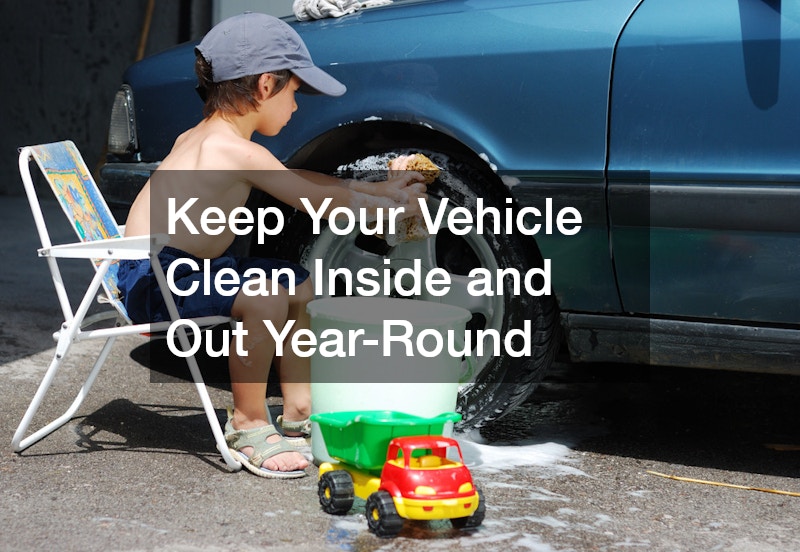
Keeping your vehicle clean does more than improve its appearance. Dirt, salt, road grime, pollen, and debris can damage paint, trim, wheels, and interior surfaces over time. A consistent car wash routine helps protect the exterior and keeps your vehicle looking newer for longer.
How often you wash your car depends on your driving environment. If you live in an area with snow, road salt, heavy rain, dust, or coastal air, more frequent cleaning is important. Road salt is especially damaging because it can contribute to rust if left on the undercarriage and body panels. During winter or rainy seasons, washing your vehicle regularly helps remove buildup before it causes long-term damage.
Proper care of your car’s interior is just as important. Dust, spills, food crumbs, and moisture can wear down upholstery and create unpleasant odors. Vacuuming carpets, wiping surfaces, cleaning windows, and conditioning materials can make the cabin more comfortable and preserve its condition.
Professional auto detailing goes deeper than a basic wash. Detailing may include paint correction, waxing, ceramic coating, deep interior cleaning, stain removal, leather conditioning, and odor treatment. This type of service is especially helpful if your vehicle has been neglected, exposed to harsh conditions, or prepared for resale.
Upgrade Ride Quality for Better Control
Your suspension system plays a major role in how your vehicle handles, brakes, and feels on the road. If your ride feels rough, bouncy, unstable, or noisy, it may be time to inspect your shocks struts. These components help absorb impact, maintain tire contact with the road, and support safe steering and braking.
Worn suspension parts can affect more than comfort. They can increase stopping distance, reduce control during turns, and cause uneven tire wear. Common warning signs include excessive bouncing after hitting a bump, nose-diving when braking, drifting during turns, clunking sounds, or uneven tire tread. If you notice these issues, have the suspension checked promptly.
Replacing worn components can restore your vehicle’s original ride quality, but some drivers may choose upgrades based on performance goals. For example, someone who drives mainly on highways may prioritize comfort, while an enthusiast may want tighter handling. Drivers with trucks or SUVs may need suspension options designed for towing, off-road driving, or heavier loads.
It is important to choose suspension components that match your vehicle and driving style. Going too stiff can make daily driving uncomfortable, while choosing parts that are too soft may reduce handling performance. A balanced setup improves safety, comfort, and confidence behind the wheel.
Improve Interior Comfort and Long-Term Appeal
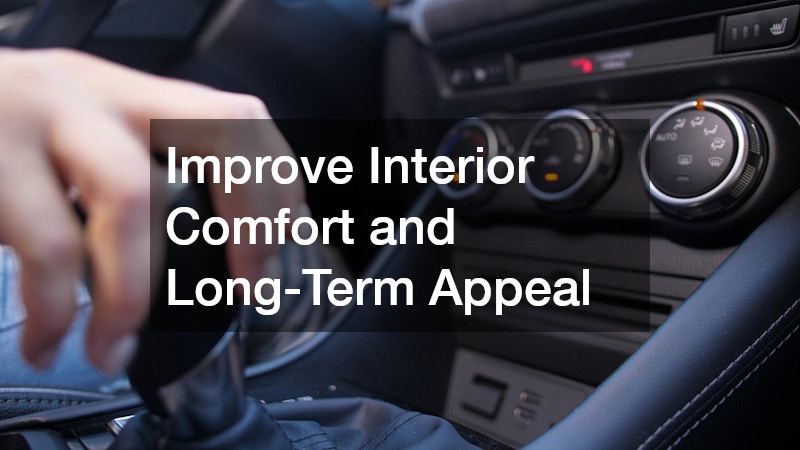
The interior of your vehicle is where you spend the most time, so comfort matters. Worn, cracked, stained, or torn seats can make even a reliable car feel old and neglected. Car leather replacement is a smart upgrade for drivers who want to refresh the cabin, improve comfort, and increase the vehicle’s visual appeal.
Leather interiors offer several advantages. They are durable, easier to wipe clean than many cloth materials, and can give the cabin a more refined appearance. However, quality matters. Poor materials or improper installation can lead to wrinkles, uneven seams, or premature wear. Professional installation helps ensure the finished result fits properly and looks factory-quality.
Before replacing interior materials, think about how you use your vehicle. Families with children or pets may want leather or leather-like materials that resist spills and scratches. Drivers in hot climates may prefer ventilated seating options or lighter colors that reduce heat absorption. Those who want a luxury feel may choose premium finishes, contrast stitching, or custom patterns.
Maintenance is also important. Leather should be cleaned and conditioned regularly to prevent drying and cracking. Avoid harsh cleaners that strip protective coatings. With proper care, upgraded seating can remain comfortable and attractive for years.
Get Better Sound with a Professional Setup
Factory audio systems are often designed to be acceptable for most drivers, but they may not deliver the clarity, volume, or bass response that music lovers want. Working with a professional car stereo installer can help you get a system that sounds better, functions properly, and integrates cleanly with your vehicle.
A quality audio upgrade may include new speakers, a head unit, amplifiers, subwoofers, sound-deadening materials, or smartphone integration features. The right combination depends on your goals. Some drivers want crisp vocals and balanced sound, while others want powerful bass or advanced touchscreen controls.
Professional installation matters because modern vehicles often have complex electrical systems. Incorrect wiring can cause poor sound quality, battery drain, warning lights, or damage to factory features. A skilled installer can ensure the system is compatible with steering wheel controls, backup cameras, Bluetooth, navigation, and other built-in functions.
Before upgrading, set a realistic budget and decide what matters most. Replacing speakers may be enough for some drivers, while others may need a full system upgrade. Sound-deadening material can also make a noticeable difference by reducing road noise and helping speakers perform better.
Personalize the Exterior with Smart Style Choices
Exterior upgrades allow you to make your vehicle stand out while also protecting its original finish. Car wraps are a popular option because they offer a wide range of colors, textures, and designs without requiring a permanent paint job. Drivers can choose matte, gloss, satin, metallic, carbon fiber, or custom graphics depending on their preferred style.
One major advantage of wraps is paint protection. A high-quality wrap can help shield the original paint from minor scratches, sun exposure, and road debris. This can be especially valuable if you plan to sell the vehicle later and want to preserve the factory finish.
Auto customizations can also include upgraded lighting, body accents, window tinting, grille changes, trim packages, and performance-inspired exterior features. The best customizations look intentional and match the vehicle’s overall design. Random upgrades that do not work together can make the car look cluttered or unfinished.
Before making exterior changes, check local laws and insurance considerations. Some tint levels, lighting colors, or body modifications may not be legal in every area. It is also wise to consider resale value. Highly personalized designs may appeal to you but could limit future buyer interest.
Choose Wheels That Fit Your Driving Needs
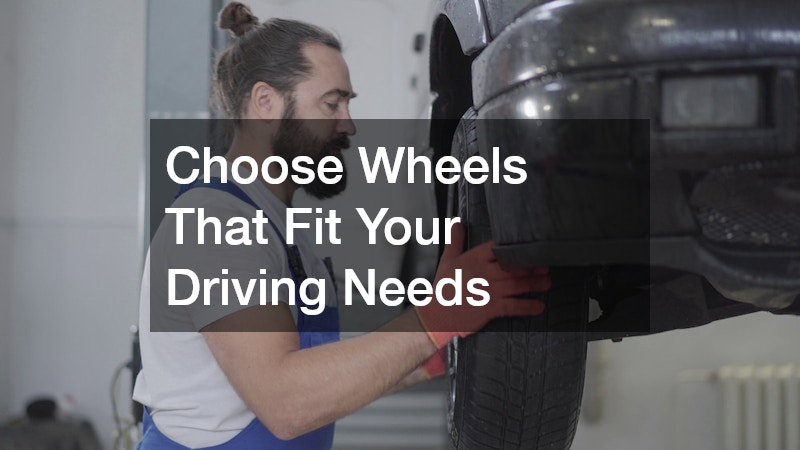
Custom wheels can give your vehicle a stronger, cleaner, or more aggressive look, but choosing the right set requires more than picking a design you like.
Wheel size, width, offset, weight, and material all affect how your vehicle drives. Larger wheels may improve appearance and steering response, but they can also reduce ride comfort if paired with thinner tires. Heavier wheels may affect acceleration, braking, and fuel efficiency. Choosing the wrong size can lead to rubbing, poor handling, or suspension strain.
Consider your driving habits before upgrading. Daily drivers may benefit from lightweight, durable wheels that balance comfort and style. Off-road vehicles may need stronger wheels designed to handle rough terrain. Performance vehicles may require wheels that support better grip and brake clearance.
It’s important not to neglect your wheels. Brake dust, road salt, and grime can damage wheel finishes if left untreated. Regular cleaning and proper products help keep wheels looking sharp. A well-chosen set of wheels can improve your vehicle’s appearance while supporting your overall driving goals.
Replace Worn Components Before They Fail
Preventative replacement is one of the smartest ways to avoid unexpected breakdowns. Many vehicle components wear gradually, giving drivers time to act before failure occurs. Keeping an eye on essential auto parts helps you stay ahead of problems and protect your vehicle from unnecessary damage.
Common parts that wear out include brake pads, belts, hoses, spark plugs, filters, batteries, tires, bulbs, and fluids. Some parts have obvious warning signs, such as squealing brakes or dim headlights. Others may fail with little notice if they are not inspected regularly.
Pay attention to changes in how your vehicle starts, accelerates, brakes, steers, and sounds. A slow engine start may suggest battery issues. Squeaking or grinding may point to brake wear. Reduced fuel efficiency can indicate problems with filters, spark plugs, sensors, or tire pressure.
Replacing parts early may feel inconvenient, but it often prevents larger repair bills. For example, replacing a worn belt is far less expensive than repairing engine damage caused by belt failure. Similarly, replacing brake pads on time can help avoid damage to rotors and calipers.
Balance Upgrades with Essential Service
Customization is exciting, but it should never come at the expense of basic reliability. Before investing heavily in auto customizations, make sure your vehicle is mechanically sound. A great-looking car with neglected brakes, worn tires, leaking fluids, or engine problems will not deliver the performance or dependability you need.
A trusted car mechanic can help you prioritize. If your budget is limited, ask what repairs or maintenance items should come first. Safety-related needs such as brakes, tires, steering, lighting, and suspension should always take priority over appearance upgrades.
Once your vehicle is in good condition, plan customizations in stages. This allows you to spread out costs and make better decisions. For example, you might start with maintenance, then upgrade wheels, then refresh the interior, then add exterior styling. A staged approach also helps you avoid mismatched upgrades or unnecessary spending.
Driving More Value from Every Mile

Taking care of your vehicle is about more than avoiding problems. It is about creating a safer, cleaner, more comfortable, and more enjoyable driving experience. When you stay consistent with maintenance and choose upgrades carefully, your car can serve you better for many years.
The most successful approach is balanced. Start with reliability, then improve comfort, performance, appearance, and convenience in ways that match your lifestyle. Small habits, like keeping records, cleaning regularly, and addressing issues early, can make a major difference over time.
Whether your goal is to preserve resale value, improve daily comfort, or personalize your vehicle, smart care gives you more confidence every time you drive. A well-maintained and thoughtfully upgraded vehicle is not just transportation—it is an investment in safety, style, and long-term satisfaction.